
Heard On Sunday - The Autopsy of a Dead Church
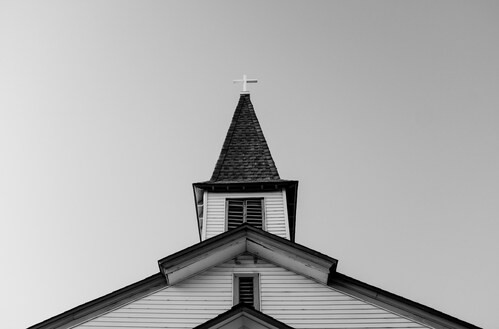
The Autopsy of a Dead Church
Revelation 3:1-6
What does a dead church look like?
It is not always obvious from the outside. In fact, spiritually dead churches often maintain impressive exteriors—beautiful buildings, established programs, long histories, and respected names in their communities. But beneath the surface, something essential has been lost.
Careful observation of declining churches reveals common patterns. They treat the past as their hero. They resist adapting to the needs of their present community. Their budgets slowly turn inward rather than outward. The Great Commission becomes the Great Omission (Matthew 28:18–20). They become preference-driven instead of mission-driven. Corporate prayer fades from central priority (Acts 2:42). Clear purpose and vision grow dim. Facilities matter more than people.
The tragedy is sobering: many churches begin with a man of vision, grow into a movement, and eventually end up in the mortuary. They start with glorious purpose but slowly live on borrowed reputation. The only thing left is their name—Grace Church, Redemption Church—while their present reality contradicts what that name proclaims.
As Augustine wisely noted, self-knowledge is essential to spiritual growth (cf. 2 Corinthians 13:5). Without honest examination, decline continues unnoticed.
The City and the Church
The church in Sardis lived in a city that mirrored its condition.
Founded around 1200 BC, Sardis was the oldest of the seven churches of Asia Minor. Once powerful and wealthy, by the time of John’s writing it had long since passed its prime. The city was famous for its “Cemetery of a Thousand Hills”—burial mounds visible from miles away. Death dominated its skyline.
One historian described Sardis as showing “a melancholy contrast between past splendor and present decay.” The city celebrated its former glory while ignoring its present weakness. It lived in memory rather than mission.
The church had become a perfect reflection of its surroundings—another tomb in a city of tombs (cf. Matthew 23:27). It had a reputation for being alive, but spiritually it was dead.
Five Commands for Resurrection
Revelation 3:2–3
Yet in His remarkable patience and long-suffering love (2 Peter 3:9), Jesus does not abandon Sardis. He diagnoses their condition—and then provides a prescription.
He gives five urgent commands.
1. Wake up.
Healing begins with awareness. Sardis had twice been defeated militarily because of watchfulness failure. Jesus warns the church not to repeat that pattern spiritually.
We cannot address what we refuse to acknowledge. “It is already the hour for you to wake from sleep” (Romans 13:11). “Awake, O sleeper” (Ephesians 5:14).
Spiritual self-examination is not condemnation—it is grace.
2. Strengthen what remains.
Even in this dying church, a remnant remained. A faint heartbeat still pulsed. Jesus commands them to fortify what little life is left (cf. Hebrews 12:12–13).
As long as there is breath, there is hope. Resurrection is possible while there is still a pulse.
3. Remember what you have received and heard.
They were to recall the true gospel—not a diluted version, not a cultural remix, but the saving truth of Christ crucified and risen.
Jesus lived the life we should have lived and died the death we should have died (2 Corinthians 5:21; Galatians 3:13; Romans 5:8–10).
He bore the wrath we deserved (Isaiah 53:4–6; Romans 3:23–26).
This gospel is of “first importance” (1 Corinthians 15:1–4). Any departure from it is dangerous (Galatians 1:6–9).
When churches drift, they rarely deny the gospel outright—they simply assume it, neglect it, or soften it.
4. Keep it.
Guard the gospel as a treasure (2 Timothy 1:13–14; Jude 3). Cultural pressure, persecution, or apathy must not loosen our grip on truth.
Orthodoxy is not optional—it is life itself.
5. Repent.
Repentance is not merely the doorway into Christianity; it is the daily rhythm of it (cf. 1 John 1:8–9; Revelation 2:5). We confess. We turn. We pursue holiness.
This ongoing turning is sanctification (1 Thessalonians 4:3; Philippians 2:12–13).
Wake. Strengthen. Remember. Keep. Repent.
This is the pathway back to life.
The Remnant in White
Even in Sardis, Jesus sees “a few names… who have not soiled their garments” (Revelation 3:4). They walked faithfully in a spiritually lifeless environment. That requires courage.
To “walk in white” represents justification—being clothed in righteousness not earned but given (Revelation 7:9–14; Ephesians 2:8–9; Titus 3:5).
Their names are written in the book of life, not because of merit, but because of sovereign grace (Revelation 13:8; 17:8; Ephesians 1:4–5).
God always preserves a remnant.
Three Promises for the Faithful
Revelation 3:5
To those who conquer, Jesus makes three stunning promises:
Clothed in white.
We are dressed in righteousness we could never manufacture (Isaiah 61:10; 2 Corinthians 5:21).
Never blotted from the book of life.
Security rests not in our performance, but in God’s eternal purpose (Revelation 3:5; 20:12,15; Luke 10:17–20; Ephesians 1:4).
Acknowledged before the Father.
“This one is mine.”
Not because we earned it, but because the Father gave us to the Son (John 6:37–39; John 10:27–29; Matthew 10:32–33).
A Call to the Living
The message to Sardis echoes today.
A church lacking evangelism, discipleship, and missionary zeal is dying (Matthew 28:18–20; Acts 1:8).
A church that turns inward rather than outward is on life support (Philippians 2:3–4; 1 Corinthians 9:19–23).
A church indifferent to the salvation of sinners has forgotten its purpose (Luke 19:10; 1 Timothy 1:15).
But there is hope.
God specializes in resurrection. He makes dead sinners alive (Ephesians 2:1–5). He breathes life into dust (Genesis 2:7). He raises dry bones (Ezekiel 37:1–14). When the diagnosis is death, Jesus declares, “I am the resurrection and the life” (John 11:25–26).
Spiritual drift is natural. We tend toward routine, toward dullness, away from abundant life (John 10:10; Hebrews 2:1). That is why we need the Spirit’s continual renewing work (2 Corinthians 3:18; Galatians 5:16–25).
If you sense spiritual rigor mortis setting in—personally or corporately—hear Christ’s words (Revelation 3:2–3):
Wake up.
Remember the gospel.
Repent.
Strengthen what remains.
Because the God who raised Jesus from the dead is still in the resurrection business today (Romans 8:11; 1 Peter 1:3).
What does a dead church look like?
It is not always obvious from the outside. In fact, spiritually dead churches often maintain impressive exteriors—beautiful buildings, established programs, long histories, and respected names in their communities. But beneath the surface, something essential has been lost.
Careful observation of declining churches reveals common patterns. They treat the past as their hero. They resist adapting to the needs of their present community. Their budgets slowly turn inward rather than outward. The Great Commission becomes the Great Omission (Matthew 28:18–20). They become preference-driven instead of mission-driven. Corporate prayer fades from central priority (Acts 2:42). Clear purpose and vision grow dim. Facilities matter more than people.
The tragedy is sobering: many churches begin with a man of vision, grow into a movement, and eventually end up in the mortuary. They start with glorious purpose but slowly live on borrowed reputation. The only thing left is their name—Grace Church, Redemption Church—while their present reality contradicts what that name proclaims.
As Augustine wisely noted, self-knowledge is essential to spiritual growth (cf. 2 Corinthians 13:5). Without honest examination, decline continues unnoticed.
The City and the Church
The church in Sardis lived in a city that mirrored its condition.
Founded around 1200 BC, Sardis was the oldest of the seven churches of Asia Minor. Once powerful and wealthy, by the time of John’s writing it had long since passed its prime. The city was famous for its “Cemetery of a Thousand Hills”—burial mounds visible from miles away. Death dominated its skyline.
One historian described Sardis as showing “a melancholy contrast between past splendor and present decay.” The city celebrated its former glory while ignoring its present weakness. It lived in memory rather than mission.
The church had become a perfect reflection of its surroundings—another tomb in a city of tombs (cf. Matthew 23:27). It had a reputation for being alive, but spiritually it was dead.
Five Commands for Resurrection
Revelation 3:2–3
Yet in His remarkable patience and long-suffering love (2 Peter 3:9), Jesus does not abandon Sardis. He diagnoses their condition—and then provides a prescription.
He gives five urgent commands.
1. Wake up.
Healing begins with awareness. Sardis had twice been defeated militarily because of watchfulness failure. Jesus warns the church not to repeat that pattern spiritually.
We cannot address what we refuse to acknowledge. “It is already the hour for you to wake from sleep” (Romans 13:11). “Awake, O sleeper” (Ephesians 5:14).
Spiritual self-examination is not condemnation—it is grace.
2. Strengthen what remains.
Even in this dying church, a remnant remained. A faint heartbeat still pulsed. Jesus commands them to fortify what little life is left (cf. Hebrews 12:12–13).
As long as there is breath, there is hope. Resurrection is possible while there is still a pulse.
3. Remember what you have received and heard.
They were to recall the true gospel—not a diluted version, not a cultural remix, but the saving truth of Christ crucified and risen.
Jesus lived the life we should have lived and died the death we should have died (2 Corinthians 5:21; Galatians 3:13; Romans 5:8–10).
He bore the wrath we deserved (Isaiah 53:4–6; Romans 3:23–26).
This gospel is of “first importance” (1 Corinthians 15:1–4). Any departure from it is dangerous (Galatians 1:6–9).
When churches drift, they rarely deny the gospel outright—they simply assume it, neglect it, or soften it.
4. Keep it.
Guard the gospel as a treasure (2 Timothy 1:13–14; Jude 3). Cultural pressure, persecution, or apathy must not loosen our grip on truth.
Orthodoxy is not optional—it is life itself.
5. Repent.
Repentance is not merely the doorway into Christianity; it is the daily rhythm of it (cf. 1 John 1:8–9; Revelation 2:5). We confess. We turn. We pursue holiness.
This ongoing turning is sanctification (1 Thessalonians 4:3; Philippians 2:12–13).
Wake. Strengthen. Remember. Keep. Repent.
This is the pathway back to life.
The Remnant in White
Even in Sardis, Jesus sees “a few names… who have not soiled their garments” (Revelation 3:4). They walked faithfully in a spiritually lifeless environment. That requires courage.
To “walk in white” represents justification—being clothed in righteousness not earned but given (Revelation 7:9–14; Ephesians 2:8–9; Titus 3:5).
Their names are written in the book of life, not because of merit, but because of sovereign grace (Revelation 13:8; 17:8; Ephesians 1:4–5).
God always preserves a remnant.
Three Promises for the Faithful
Revelation 3:5
To those who conquer, Jesus makes three stunning promises:
Clothed in white.
We are dressed in righteousness we could never manufacture (Isaiah 61:10; 2 Corinthians 5:21).
Never blotted from the book of life.
Security rests not in our performance, but in God’s eternal purpose (Revelation 3:5; 20:12,15; Luke 10:17–20; Ephesians 1:4).
Acknowledged before the Father.
“This one is mine.”
Not because we earned it, but because the Father gave us to the Son (John 6:37–39; John 10:27–29; Matthew 10:32–33).
A Call to the Living
The message to Sardis echoes today.
A church lacking evangelism, discipleship, and missionary zeal is dying (Matthew 28:18–20; Acts 1:8).
A church that turns inward rather than outward is on life support (Philippians 2:3–4; 1 Corinthians 9:19–23).
A church indifferent to the salvation of sinners has forgotten its purpose (Luke 19:10; 1 Timothy 1:15).
But there is hope.
God specializes in resurrection. He makes dead sinners alive (Ephesians 2:1–5). He breathes life into dust (Genesis 2:7). He raises dry bones (Ezekiel 37:1–14). When the diagnosis is death, Jesus declares, “I am the resurrection and the life” (John 11:25–26).
Spiritual drift is natural. We tend toward routine, toward dullness, away from abundant life (John 10:10; Hebrews 2:1). That is why we need the Spirit’s continual renewing work (2 Corinthians 3:18; Galatians 5:16–25).
If you sense spiritual rigor mortis setting in—personally or corporately—hear Christ’s words (Revelation 3:2–3):
Wake up.
Remember the gospel.
Repent.
Strengthen what remains.
Because the God who raised Jesus from the dead is still in the resurrection business today (Romans 8:11; 1 Peter 1:3).
Posted in Heard on Sunday
Recent
Archive
2026
January
Let's Memorize the Books of the BibleSolomon Thought About Life | Jan 4 | Lesson #3 | 12Message Takeaways - God Speaks from HeavenSunday Focus – God Speaks from HeavenHeard On Sunday - Unveiling Revelation: A Journey Through ScriptureBecause You Give - Thank you, from Alameda StudentsThe Queen of Sheba Visited Solomon | Jan 11 | Lesson #4 | 12Message Takeaways - A Vision of the Glorified ChristSunday Focus – A Vision of the Glorified ChristHeard On Sunday - A Vision of the Glorified ChristWisdom Of God's People | Jan 18 | Lesson #5 | 12Message Takeaways - Sanctity of LifeSunday Focus – Sanctity of LifeHeard On Sunday - Created in His Image: Understanding the Sanctity of LifeFamily Sunday | Jan 25Project Nehemiah - January 22nd UpdateMessage Takeaways - A Church That Doesn’t Love JesusSunday Focus – A Church That Doesn’t Love JesusHeard On Sunday - The Church That Lost Its First Love: A Journey Back to Passionate FaithA Kingdom Divided | Feb 1 | Lesson #1 | 13
February
Sunday Focus – Being Martyrs for JesusMessage Takeaways - Being Martyrs for JesusHeard On Sunday -The Blood of Martyrs: Finding Strength in SufferingIsrael's Evil Kings | Feb 8 | Lesson #2 | 13Sunday Focus – A Church that Compromises the TruthMessage Takeaways - A Church That Compromises the TruthHeard On Sunday -The Deadly Poison of Compromise: A Wake-Up Call for the Modern ChurchElijah Confronted Ahab | Feb 15 | Lesson #3 | 13Message Takeaways - The Jezebel ChurchSunday Focus – The Jezebel ChurchHeard On Sunday -The Danger of Tolerating Jezebel: A Call to Truth and HolinessProject Nehemiah - February 19, 2026 UpdateSunday Focus – An Autopsy of a Dead ChurchMessage Takeaways - An Autopsy of a Dead ChurchHeard On Sunday - The Autopsy of a Dead ChurchThe Reign of Ahab | March 1 | Lesson #4 | 13
March
Message Takeaways - A Church that Embraces the Great CommissionSunday Focus – A Church that Embraces the Great CommissionHeard On Sunday - The Power of Passion: Lessons from the Church in PhiladelphiaMessage Takeaways - A Church that Nauseates GodElisha the Prophet | March 8 | Lesson #1 | 14Jonah, Prophet to Ninevah | March 15 | Lesson #2 | 14A Vision of Flourishing | The FORGEHeard On Sunday - The Danger of Spiritual LukewarmnessOur King is Holy! The Holiness of GodHeard On Sunday - The Holiness of God: Understanding What It Means to Stand in Awe Empowering Families | The FORGEHosea, Prophet to Isreal | March 22 | Lesson #3 | 14Praise to the King of Creation!Message Takeaways - Praise to the King of CreationThe Throne Room of Heaven: A Glimpse Beyond the VeilFamily Sunday | March 29Real Community Insight | The FORGEProject Nehemiah - RHC Transition SchedulePalm SundayMessage Takeaways - The Lamb is InspectedEaster Family ResourcesHeard On Sunday - The Perfect Lamb: Understanding Jesus’ Final Days Before the Cross
April
Project Nehemiah - Elvis Has Left the Building RHC In the NewsEaster Sunday - Resurrection DayMessage Takeaways - The Truth of the ResurrectionHeard On Sunday -The Unfiltered Power of the Risen ChristThe Northern Kingdom Was Destroyed | April 12 A Powerful and Practical Partnership | The FORGEEaster Sunday - The Lion, the Lamb, and the WorldMessage Takeaways - The Lion, the Lamb, and the WorldProject Nehemiah - Thankful for the past and looking toward the future!Heard On Sunday - The Whole World in His HandsFamily Sunday & Open House | April 19First Day at the New RHC - When God Moves YouMessage Takeaways - When God Moves You!Heard On Sunday - When God Moves YouFamily Sunday | April 26Message Takeaways - Faith Endures in a World Under JudgmentThe Four Horsemen of the ApocalypseWe need your input - Community Survey | The FORGE Heard On Sunday -The Four Horsemen: Understanding God's Sovereignty in a Broken World
May
Judah's Good Kings | May 3The Wrath of the LambMessage Takeaways - The Wrath of the Lamb — Standing Before the Sovereign JudgeAlpha & Omega Outfitters Sneak Peak | The FORGEProphets to Judah | May 10Heard On Sunday - The Wrath of the Lamb: Understanding the Fullness of JesusMessage Takeaways - The Lamb Shepherds the Nations The Lamb Shepherds the NationsThe Seal of the Living God: Finding Security in an Uncertain WorldGod Promised a New Covenant | May 17Message Takeaways - The Praise of His GloryThe Praise of His GloryStop Chasing Purpose — You Already Have OneJudah Was Taken Captive | May 24Check Us Out On Social | The FORGEThe Antichrist of LegalismThe Antichrist of LegalismThe Antichrist of LegalismOn-Site Counseling Partner | The FORGEFamily Sunday | May 31Prayers Above and Judgment Below