
Heard On Sunday -The Unfiltered Power of the Risen Christ
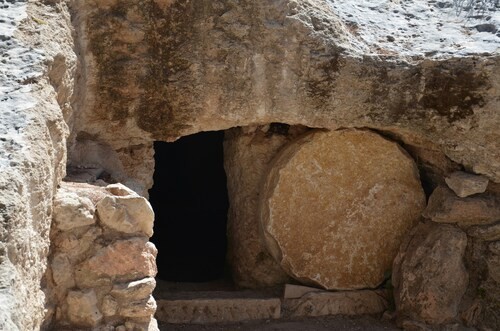
The Unfiltered Power of the Risen Christ
When we think about Easter, images often come to mind: pastel colors, spring flowers, family gatherings, maybe even chocolate bunnies. But beneath the cultural trappings lies something far more profound—and far more unsettling.
Easter isn't mainly about seasonal renewal or family tradition. It’s about power. Raw, absolute, world‑shaking power over humanity’s greatest enemies: sin, death, and the wrath of God (1 Corinthians 15:54–57).
Which Jesus Do You Know?
When you think of Jesus, who exactly comes to mind?
For some, he’s a distant historical figure—real, but irrelevant.
For others, he’s a life “supplement”—a spiritual genie who comforts, blesses, and never confronts.
Muslims honor him as a great prophet.
Some Hindus fold him into their pantheon.
Cultural Christians treat him like an errand boy for comfort and success.
But none of these match the Jesus of Scripture.
The biblical Jesus—the one whose resurrection we celebrate at Easter—is powerful, authoritative, and unapologetically in charge. Not the soft, sentimental figure holding a lamb with a polite smile, but the God‑man who commands storms, casts out demons, exposes hypocrisy, and speaks with final authority about heaven and hell.
He said of himself:
And Scripture says of him:
How Jesus’ Ministry Begins: With a Showdown
Jesus’ public ministry begins not with a soft launch, but with a showdown.
After his baptism—when the Father declares, “This is my beloved Son, with whom I am well pleased” (Matthew 3:17)—Jesus is led into the wilderness to be tempted by Satan.
He resists perfectly, and finally says:
The devil leaves. Angels come and minister to him (Matthew 4:11). From that point on, Jesus walks in visible, unsettling power.
He confronts religious leaders:
He’s saying: Your religious performance won’t save you. Only a righteousness that comes from him will (Philippians 3:8–9; 2 Corinthians 5:21).
He challenges our deepest idol:
He warns of false assurance:
This is not a domesticated, optional Jesus. This is a King.
Authority Over Nature and the Supernatural
Jesus’ authority doesn’t stop with teaching. He commands creation itself.
In a violent storm, when the disciples think they’re going to die, Jesus gets up:
If you can command the weather, you created the weather (John 1:1–3; Colossians 1:16).
Moments later, he encounters demon‑possessed men:
Demons recognize him instantly. They know his authority. They shudder (James 2:19).
And the people’s response?
They don’t celebrate him. They fear him and want him gone.
The One We Should Actually Fear
When Jesus heals a paralyzed man and commands him to rise and walk, the crowds are shaken:
Real power is unnerving. It exposes how little control we actually have.
Jesus doesn’t dial this back. He intensifies it:
In other words: Don’t be most afraid of people who can only kill you. Be afraid of the One who has authority over your eternity.
He warns whole cities:
And when the Pharisees are offended, the disciples say:
Jesus is not running a PR campaign. He is proclaiming reality.
Love and Wrath Meet at the Cross
Our culture likes the idea of a loving God but rejects the idea of a wrathful God. Scripture doesn’t give us that option.
God’s wrath is not the opposite of his love; it flows from it (Romans 1:18). If you love what is good, you must hate what destroys it.
Think of holding a newborn child. The moment you feel that fierce love, you also know: if someone tried to harm this child, you would oppose them with everything in you. That wrath is born from love.
If God never exercised wrath, it would mean he never truly loved.
Want to know how seriously God takes sin? Look at the cross (Isaiah 53:4–6; 2 Corinthians 5:21).
Want to know how deeply God loves you? Look at the cross (Romans 5:8; 1 John 4:9–10).
At Calvary, God’s wrath against sin and his love for sinners meet.
The Great Leveler: We’re All Guilty
Scripture levels the playing field:
No one gets in on good behavior. The best moral person you know stands before God the same way as the worst—utterly dependent on grace (Romans 3:23–24).
This offends our pride. We want to be the exception. But Jesus doesn’t leave room for that.
The Resurrection: God’s Public Verdict
Now we come to Easter.
Jesus doesn’t just die on the cross—he rises from the grave three days later (Matthew 28:5–6; 1 Corinthians 15:3–4). The resurrection is God’s public verdict:
Jesus is who he said he is (Romans 1:4).
His payment for sin was accepted.
Death has been conquered.
He says:
And Scripture promises:
For everyone who trusts him, there is not one drop of wrath left. The Judge himself has borne the sentence.
Getting Off the Throne
So where does this leave us?
It confronts our deepest illusion: that we can be our own god.
Jesus says that to truly live, we must lose our lives to him:
To put it simply: We must get off the throne of our own lives.
You know, if you’re honest, how bad you are at being your own god. No one has lied to you, excused you, or hurt you more consistently than you have (Jeremiah 17:9; Romans 1:21–25).
When you look in the mirror, you’re looking at a terrible king.
But because Jesus is risen, you don’t have to be king anymore. You can step down. You can say, “I’m done ruling my life. I want you to rule instead.”
That’s where transformation really begins (2 Corinthians 5:17; Philippians 1:6). It’s usually two steps forward, one step back—but over time, by his grace, you move forward.
The Choice in Front of You
The resurrection is not just a story to admire. It’s a reality to which you must respond.
Jesus is risen. He is alive. He is available to you today:
Salvation is found in no one else:
So here is the choice:
Stay on your own throne—and carry the crushing weight of being your own god.
Or step down, bow to the risen Christ, and receive forgiveness, new life, and the leadership of a perfect King.
One path leads to life and joy (John 10:10; John 14:6). The other, no matter how polished it looks, leads to loss (Mark 8:36).
The throne of your life will not stay empty.
The risen Christ stands ready to take his rightful place.
Will you let him?
Easter isn't mainly about seasonal renewal or family tradition. It’s about power. Raw, absolute, world‑shaking power over humanity’s greatest enemies: sin, death, and the wrath of God (1 Corinthians 15:54–57).
Which Jesus Do You Know?
When you think of Jesus, who exactly comes to mind?
For some, he’s a distant historical figure—real, but irrelevant.
For others, he’s a life “supplement”—a spiritual genie who comforts, blesses, and never confronts.
Muslims honor him as a great prophet.
Some Hindus fold him into their pantheon.
Cultural Christians treat him like an errand boy for comfort and success.
But none of these match the Jesus of Scripture.
The biblical Jesus—the one whose resurrection we celebrate at Easter—is powerful, authoritative, and unapologetically in charge. Not the soft, sentimental figure holding a lamb with a polite smile, but the God‑man who commands storms, casts out demons, exposes hypocrisy, and speaks with final authority about heaven and hell.
He said of himself:
“I am the way, and the truth, and the life.”
—John 14:6
And Scripture says of him:
“All things were created through him and for him… and in him all things hold together.”
—Colossians 1:16–17 (cf. Hebrews 1:3)
How Jesus’ Ministry Begins: With a Showdown
Jesus’ public ministry begins not with a soft launch, but with a showdown.
After his baptism—when the Father declares, “This is my beloved Son, with whom I am well pleased” (Matthew 3:17)—Jesus is led into the wilderness to be tempted by Satan.
He resists perfectly, and finally says:
“Be gone, Satan! For it is written,
‘You shall worship the Lord your God and him only shall you serve.’”
—Matthew 4:10 (cf. Deuteronomy 6:13)
The devil leaves. Angels come and minister to him (Matthew 4:11). From that point on, Jesus walks in visible, unsettling power.
He confronts religious leaders:
“Unless your righteousness exceeds that of the scribes and Pharisees, you will never enter the kingdom of heaven.”
—Matthew 5:20
He’s saying: Your religious performance won’t save you. Only a righteousness that comes from him will (Philippians 3:8–9; 2 Corinthians 5:21).
He challenges our deepest idol:
“You cannot serve God and money.”
—Matthew 6:24
He warns of false assurance:
“I never knew you; depart from me, you workers of lawlessness.”
—Matthew 7:23
This is not a domesticated, optional Jesus. This is a King.
Authority Over Nature and the Supernatural
Jesus’ authority doesn’t stop with teaching. He commands creation itself.
In a violent storm, when the disciples think they’re going to die, Jesus gets up:
“Then he rose and rebuked the winds and the sea, and there was a great calm.
And the men marveled, saying, ‘What sort of man is this, that even winds and sea obey him?’”
—Matthew 8:26–27
If you can command the weather, you created the weather (John 1:1–3; Colossians 1:16).
Moments later, he encounters demon‑possessed men:
“And behold, they cried out, ‘What have you to do with us, O Son of God? Have you come here to torment us before the time?’”
—Matthew 8:29
Demons recognize him instantly. They know his authority. They shudder (James 2:19).
And the people’s response?
“All the city came out to meet Jesus, and when they saw him, they begged him to leave their region.”
—Matthew 8:34
They don’t celebrate him. They fear him and want him gone.
The One We Should Actually Fear
When Jesus heals a paralyzed man and commands him to rise and walk, the crowds are shaken:
“When the crowds saw it, they were afraid, and they glorified God, who had given such authority to men.”
—Matthew 9:8
Real power is unnerving. It exposes how little control we actually have.
Jesus doesn’t dial this back. He intensifies it:
“Do not fear those who kill the body but cannot kill the soul. Rather fear him who can destroy both soul and body in hell.”
—Matthew 10:28
In other words: Don’t be most afraid of people who can only kill you. Be afraid of the One who has authority over your eternity.
He warns whole cities:
“It will be more tolerable on the day of judgment for the land of Sodom than for you.”
—Matthew 11:24
And when the Pharisees are offended, the disciples say:
“Do you know that the Pharisees were offended when they heard this saying?”
—Matthew 15:12
Jesus is not running a PR campaign. He is proclaiming reality.
Love and Wrath Meet at the Cross
Our culture likes the idea of a loving God but rejects the idea of a wrathful God. Scripture doesn’t give us that option.
God’s wrath is not the opposite of his love; it flows from it (Romans 1:18). If you love what is good, you must hate what destroys it.
Think of holding a newborn child. The moment you feel that fierce love, you also know: if someone tried to harm this child, you would oppose them with everything in you. That wrath is born from love.
If God never exercised wrath, it would mean he never truly loved.
Want to know how seriously God takes sin? Look at the cross (Isaiah 53:4–6; 2 Corinthians 5:21).
Want to know how deeply God loves you? Look at the cross (Romans 5:8; 1 John 4:9–10).
At Calvary, God’s wrath against sin and his love for sinners meet.
The Great Leveler: We’re All Guilty
Scripture levels the playing field:
“None is righteous, no, not one.”
—Romans 3:10
“All we like sheep have gone astray; we have turned—every one—to his own way.”
—Isaiah 53:6
No one gets in on good behavior. The best moral person you know stands before God the same way as the worst—utterly dependent on grace (Romans 3:23–24).
This offends our pride. We want to be the exception. But Jesus doesn’t leave room for that.
The Resurrection: God’s Public Verdict
Now we come to Easter.
Jesus doesn’t just die on the cross—he rises from the grave three days later (Matthew 28:5–6; 1 Corinthians 15:3–4). The resurrection is God’s public verdict:
Jesus is who he said he is (Romans 1:4).
His payment for sin was accepted.
Death has been conquered.
He says:
“I am the resurrection and the life. Whoever believes in me, though he die, yet shall he live.”
—John 11:25–26
And Scripture promises:
“There is therefore now no condemnation for those who are in Christ Jesus.”
—Romans 8:1
For everyone who trusts him, there is not one drop of wrath left. The Judge himself has borne the sentence.
Getting Off the Throne
So where does this leave us?
It confronts our deepest illusion: that we can be our own god.
Jesus says that to truly live, we must lose our lives to him:
“If anyone would come after me, let him deny himself and take up his cross daily and follow me.
For whoever would save his life will lose it, but whoever loses his life for my sake will save it.”
—Luke 9:23–24
To put it simply: We must get off the throne of our own lives.
You know, if you’re honest, how bad you are at being your own god. No one has lied to you, excused you, or hurt you more consistently than you have (Jeremiah 17:9; Romans 1:21–25).
When you look in the mirror, you’re looking at a terrible king.
But because Jesus is risen, you don’t have to be king anymore. You can step down. You can say, “I’m done ruling my life. I want you to rule instead.”
That’s where transformation really begins (2 Corinthians 5:17; Philippians 1:6). It’s usually two steps forward, one step back—but over time, by his grace, you move forward.
The Choice in Front of You
The resurrection is not just a story to admire. It’s a reality to which you must respond.
Jesus is risen. He is alive. He is available to you today:
“Behold, I stand at the door and knock.”
—Revelation 3:20
Salvation is found in no one else:
“There is salvation in no one else, for there is no other name under heaven given among men by which we must be saved.”
—Acts 4:12
So here is the choice:
Stay on your own throne—and carry the crushing weight of being your own god.
Or step down, bow to the risen Christ, and receive forgiveness, new life, and the leadership of a perfect King.
One path leads to life and joy (John 10:10; John 14:6). The other, no matter how polished it looks, leads to loss (Mark 8:36).
The throne of your life will not stay empty.
The risen Christ stands ready to take his rightful place.
Will you let him?
Posted in Heard on Sunday
Recent
Archive
2026
January
Let's Memorize the Books of the BibleSolomon Thought About Life | Jan 4 | Lesson #3 | 12Message Takeaways - God Speaks from HeavenSunday Focus – God Speaks from HeavenHeard On Sunday - Unveiling Revelation: A Journey Through ScriptureBecause You Give - Thank you, from Alameda StudentsThe Queen of Sheba Visited Solomon | Jan 11 | Lesson #4 | 12Message Takeaways - A Vision of the Glorified ChristSunday Focus – A Vision of the Glorified ChristHeard On Sunday - A Vision of the Glorified ChristWisdom Of God's People | Jan 18 | Lesson #5 | 12Message Takeaways - Sanctity of LifeSunday Focus – Sanctity of LifeHeard On Sunday - Created in His Image: Understanding the Sanctity of LifeFamily Sunday | Jan 25Project Nehemiah - January 22nd UpdateMessage Takeaways - A Church That Doesn’t Love JesusSunday Focus – A Church That Doesn’t Love JesusHeard On Sunday - The Church That Lost Its First Love: A Journey Back to Passionate FaithA Kingdom Divided | Feb 1 | Lesson #1 | 13
February
Sunday Focus – Being Martyrs for JesusMessage Takeaways - Being Martyrs for JesusHeard On Sunday -The Blood of Martyrs: Finding Strength in SufferingIsrael's Evil Kings | Feb 8 | Lesson #2 | 13Sunday Focus – A Church that Compromises the TruthMessage Takeaways - A Church That Compromises the TruthHeard On Sunday -The Deadly Poison of Compromise: A Wake-Up Call for the Modern ChurchElijah Confronted Ahab | Feb 15 | Lesson #3 | 13Message Takeaways - The Jezebel ChurchSunday Focus – The Jezebel ChurchHeard On Sunday -The Danger of Tolerating Jezebel: A Call to Truth and HolinessProject Nehemiah - February 19, 2026 UpdateMessage Takeaways - An Autopsy of a Dead ChurchSunday Focus – An Autopsy of a Dead ChurchHeard On Sunday - The Autopsy of a Dead ChurchThe Reign of Ahab | March 1 | Lesson #4 | 13
March
Sunday Focus – A Church that Embraces the Great CommissionMessage Takeaways - A Church that Embraces the Great CommissionHeard On Sunday - The Power of Passion: Lessons from the Church in PhiladelphiaMessage Takeaways - A Church that Nauseates GodElisha the Prophet | March 8 | Lesson #1 | 14Jonah, Prophet to Ninevah | March 15 | Lesson #2 | 14A Vision of Flourishing | The FORGEHeard On Sunday - The Danger of Spiritual LukewarmnessOur King is Holy! The Holiness of GodHeard On Sunday - The Holiness of God: Understanding What It Means to Stand in Awe Empowering Families | The FORGEHosea, Prophet to Isreal | March 22 | Lesson #3 | 14Praise to the King of Creation!Message Takeaways - Praise to the King of CreationThe Throne Room of Heaven: A Glimpse Beyond the VeilFamily Sunday | March 29Real Community Insight | The FORGEProject Nehemiah - RHC Transition SchedulePalm SundayMessage Takeaways - The Lamb is InspectedEaster Family ResourcesHeard On Sunday - The Perfect Lamb: Understanding Jesus’ Final Days Before the Cross
April
Project Nehemiah - Elvis Has Left the Building RHC In the NewsEaster Sunday - Resurrection DayMessage Takeaways - The Truth of the ResurrectionHeard On Sunday -The Unfiltered Power of the Risen ChristA Powerful and Practical Partnership | The FORGEThe Northern Kingdom Was Destroyed | April 12 Message Takeaways - The Lion, the Lamb, and the WorldEaster Sunday - The Lion, the Lamb, and the WorldProject Nehemiah - Thankful for the past and looking toward the future!Heard On Sunday - The Whole World in His HandsFamily Sunday & Open House | April 19First Day at the New RHC - When God Moves YouMessage Takeaways - When God Moves You!Heard On Sunday - When God Moves YouFamily Sunday | April 26Message Takeaways - Faith Endures in a World Under JudgmentThe Four Horsemen of the ApocalypseHeard On Sunday -The Four Horsemen: Understanding God's Sovereignty in a Broken WorldWe need your input - Community Survey | The FORGE
May
Judah's Good Kings | May 3The Wrath of the LambMessage Takeaways - The Wrath of the Lamb — Standing Before the Sovereign JudgeAlpha & Omega Outfitters Sneak Peak | The FORGEProphets to Judah | May 10Heard On Sunday - The Wrath of the Lamb: Understanding the Fullness of JesusMessage Takeaways - The Lamb Shepherds the Nations The Lamb Shepherds the NationsThe Seal of the Living God: Finding Security in an Uncertain WorldGod Promised a New Covenant | May 17Message Takeaways - The Praise of His GloryThe Praise of His GloryStop Chasing Purpose — You Already Have OneJudah Was Taken Captive | May 24Check Us Out On Social | The FORGEThe Antichrist of LegalismThe Antichrist of LegalismThe Antichrist of LegalismFamily Sunday | May 31On-Site Counseling Partner | The FORGEPrayers Above and Judgment Below